
When it comes to home improvements that deliver real returns, strategic fencing investments stand out as both functional and financially rewarding. If you're wondering what fencing will increase property values, you're asking the right question—the answer can mean thousands of dollars in added equity and a faster, more profitable sale when the time comes.
Why Fencing Matters for Property Value
A well-chosen fence does more than mark boundaries. It creates privacy, enhances curb appeal, provides security, and signals to buyers that a property has been thoughtfully maintained. Real estate experts consistently note that quality fencing can boost property values by 5-10%, with some premium installations delivering even higher returns in competitive markets.
The Top Fencing Types That Increase Property Value
1. Cedar or Redwood Privacy Fencing
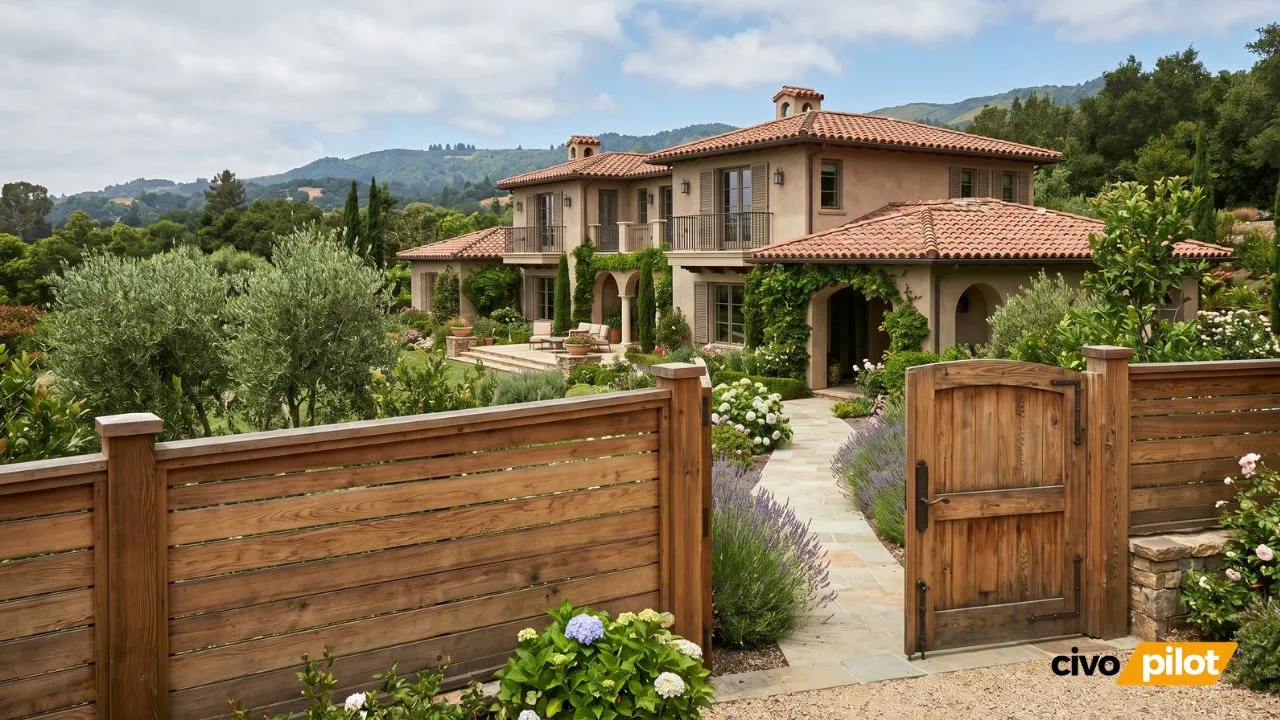
Natural wood privacy fences, particularly those constructed from cedar or redwood, rank among the most valuable additions to residential properties. These materials resist decay naturally, age beautifully, and offer the warm aesthetic appeal that buyers associate with quality homes.
Value boost: 6-9% in suburban markets
Best for: Family homes, properties with pools or outdoor living spaces
Investment range: $15-$40 per linear foot
The rich tones and classic appearance of cedar fencing complement virtually any architectural style, from craftsman bungalows to modern farmhouses. Buyers particularly appreciate the privacy these fences provide for backyards, making outdoor spaces feel like genuine extensions of the home.
2. Ornamental Aluminum Fencing
For properties where visibility matters—think corner lots, homes with beautiful landscaping, or lakefront properties—ornamental aluminum fencing strikes the perfect balance between elegance and durability. This low-maintenance option mimics the prestigious look of wrought iron without the rust, painting, or repair headaches.
Value boost: 5-8%
Best for: Front yards, pool enclosures, upscale neighborhoods
Investment range: $24-$40 per linear foot
Ornamental aluminum particularly shines in historic districts and established neighborhoods where architectural character drives property values. The clean lines and refined appearance signal quality without overwhelming the home's original design.
3. Composite Privacy Fencing
Modern composite materials combine recycled wood fibers with durable plastics to create fencing that demands virtually no maintenance while maintaining an attractive appearance for decades. For buyers worried about ongoing upkeep, composite fencing represents a significant selling point.
Value boost: 5-7%
Best for: Contemporary homes, environmentally conscious markets, HOA communities
Investment range: $25-$45 per linear foot
The absence of painting, staining, or sealing requirements means composite fences maintain their appearance year after year. This longevity appeals strongly to buyers who want to enjoy their homes without constant maintenance projects.
4. Black Vinyl Fencing
While traditional white vinyl can look dated or generic, black vinyl fencing has emerged as a sophisticated, modern choice that appeals to design-conscious buyers. The contemporary aesthetic works particularly well with minimalist architecture and creates striking contrast in landscaped settings.
Value boost: 4-6%
Best for: Modern homes, urban properties, minimalist landscapes
Investment range: $20-$38 per linear foot
Black vinyl combines the low-maintenance benefits of traditional vinyl with a far more upscale appearance. It won't fade, crack, or require painting, yet it looks intentional and stylish rather than purely practical.
5. Horizontal Board Fencing
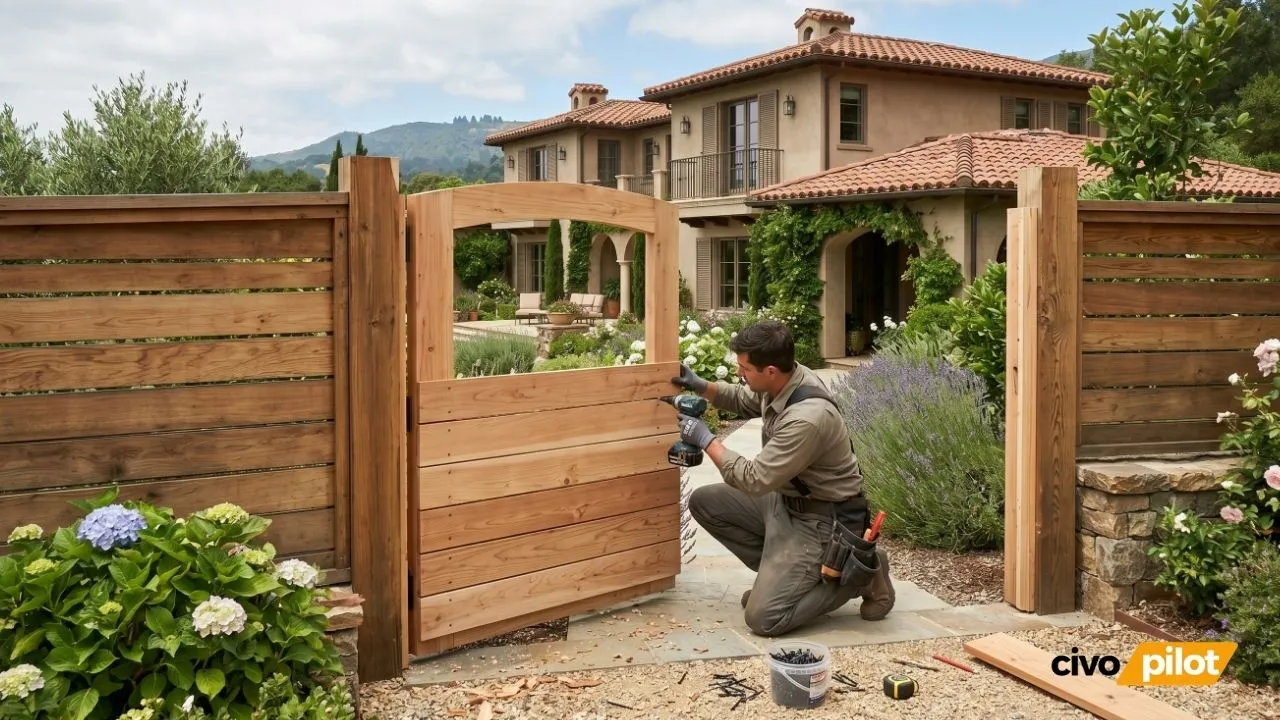
The horizontal fence trend has taken modern residential design by storm, transforming backyard boundaries into architectural features. Whether executed in natural wood, composite materials, or painted finishes, horizontal fencing signals contemporary taste and attention to design details.
Value boost: 5-9% in design-conscious markets
Best for: Mid-century modern homes, new construction, design-forward neighborhoods
Investment range: $22-$50 per linear foot
This style particularly resonates with younger buyers who prioritize Instagram-worthy outdoor spaces. The clean, linear appearance creates the illusion of wider yards and provides an excellent backdrop for outdoor furniture and landscaping.
Fencing Features That Maximize Value
Beyond choosing the right material and style, certain features can amplify your fence's contribution to property value:
Professional installation: DIY fencing rarely delivers the clean, level, uniform appearance that buyers expect. Professional installation ensures gates hang properly, posts stand plumb, and the overall impression is one of quality.
Thoughtful height selection: Privacy fences typically stand 6 feet tall, while decorative fences range from 3-4 feet. Matching height to purpose matters—overly tall fencing in front yards can feel fortress-like and unwelcoming.
Quality gates and hardware: Gates are high-contact points that buyers notice immediately. Smooth operation, solid construction, and attractive hardware signal overall quality and attention to detail.
Complementary landscaping: Fencing that integrates with thoughtful plantings delivers far more visual impact than bare fence lines. Even simple foundation plantings along fence bases soften the appearance and create cohesion.
Coordinated finish with home exterior: Whether through color matching or complementary tones, fencing should feel intentional in relation to the home's architecture and existing outdoor structures.
What Fencing Types to Avoid for Value
Not all fencing contributes equally to property value. Some options can actually detract from perceived worth:
Chain link fencing: Unless required by municipal pool codes, chain link reads as purely utilitarian and can make properties feel less polished or lower-end.
Poorly maintained wood fencing: Peeling paint, rotted posts, or sagging sections signal deferred maintenance and can raise red flags about the property's overall condition.
Mismatched or incomplete fencing: Partial fence lines or obviously different fence types cobbled together create visual chaos and suggest budget constraints.
Overly ornate or personalized styles: While you might love medieval castle-style fencing, highly specific aesthetic choices limit buyer appeal and can actually reduce the pool of interested parties.
Regional Considerations for Maximum Returns
Geography significantly influences which fencing types deliver the best returns:
Urban markets: Privacy is premium. Well-designed wood or composite privacy fencing typically delivers strong returns, as do modern horizontal styles in trendy neighborhoods.
Suburban family neighborhoods: Cedar privacy fencing around backyards appeals strongly to families seeking safe play areas and pool enclosures.
Rural or large-lot properties: Split-rail or ranch-style fencing maintains sight lines while defining boundaries, appealing to buyers who chose rural settings for the views.
Coastal areas: Salt-resistant materials like vinyl or aluminum avoid the corrosion and maintenance issues that plague wood in marine environments.
HOA communities: Compliance with covenants is essential. Approved styles that exceed minimum standards deliver the best returns.
Getting the Most Value From Your Fencing Investment
To maximize the property value boost from new fencing:
Time it strategically: Install fencing 6-12 months before listing to allow landscaping to mature and the fence to weather slightly, avoiding the "brand new" appearance that can signal rushed pre-sale improvements.
Obtain proper permits: Unpermitted fencing creates complications during sale and can force expensive modifications or removal.
Consider buyer perspectives: Choose fencing that appeals to your likely buyer pool rather than purely personal preferences.
Document quality materials: Save receipts and material specifications to share with potential buyers, proving your investment in quality components.
Maintain meticulously: Regular cleaning, prompt repairs, and consistent upkeep ensure your fencing looks its best when prospects visit.
The Bottom Line on Fencing and Property Value
Quality fencing represents one of the smartest home improvement investments you can make, delivering both immediate enjoyment and tangible financial returns. The right fence choice depends on your property's style, neighborhood character, and target buyer demographics, but the data is clear: well-designed, properly installed fencing consistently increases property values while making homes more livable in the meantime.
Whether you choose the natural warmth of cedar, the modern sophistication of horizontal boards, or the low-maintenance appeal of composite materials, investing in quality fencing means investing in your home's future value. The question isn't whether fencing will increase your property value—it's which style will deliver the maximum return for your specific situation.