
When planning a tile project, one of the first questions homeowners ask is: which is more expensive, porcelain or ceramic tile? The short answer is that porcelain tile typically costs 60-100% more than ceramic tile. But understanding why porcelain commands a premium price—and whether it's worth the investment for your specific project—requires a deeper look at what you're actually paying for.
Let's break down the cost differences, explore what drives these price gaps, and help you decide which tile type delivers the best value for your needs.
The Price Breakdown: Porcelain vs. Ceramic
Ceramic Tile Costs
Material cost: $0.50 - $7.00 per square foot
Installation cost: $4.00 - $8.00 per square foot
Total installed cost: $4.50 - $15.00 per square foot
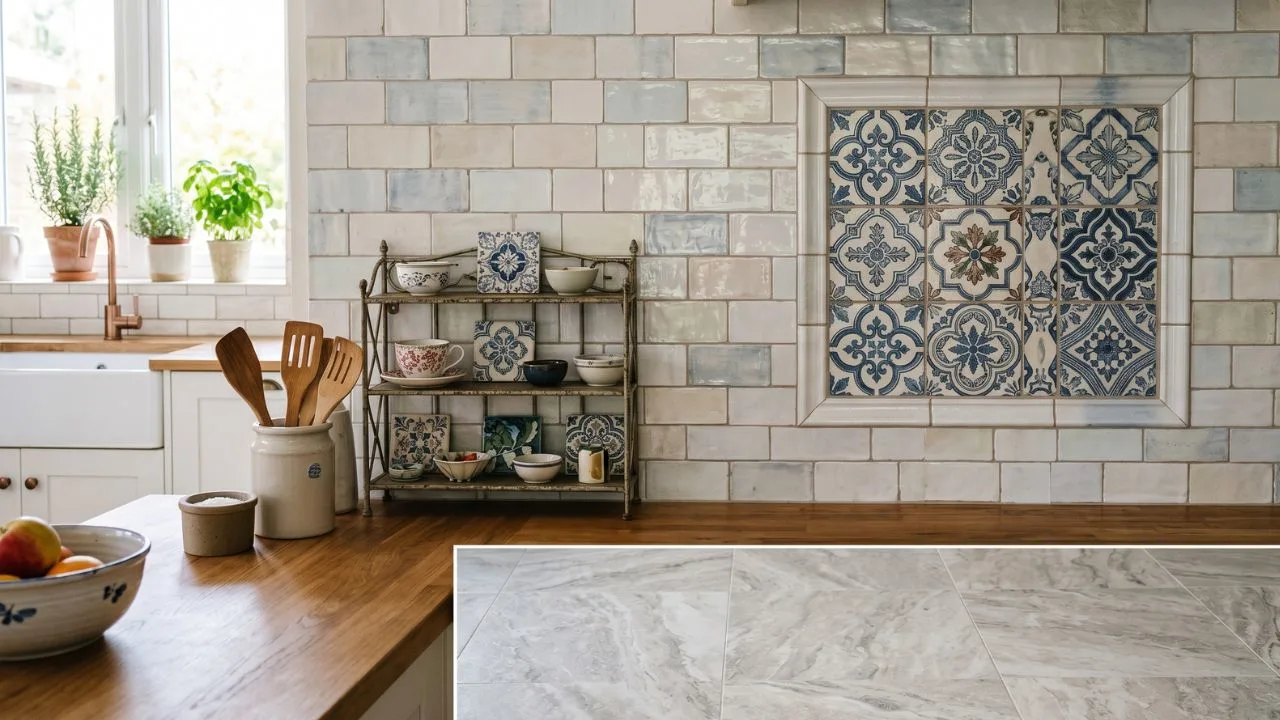
Ceramic tile represents the budget-friendly option in the tile world. Basic ceramic tiles for simple bathroom or kitchen backsplashes start under a dollar per square foot, while designer ceramics with intricate patterns or hand-painted details can reach $7-10 per square foot.
Porcelain Tile Costs
Material cost: $3.00 - $28.00 per square foot
Installation cost: $5.00 - $10.00 per square foot
Total installed cost: $8.00 - $38.00 per square foot
Porcelain tile costs significantly more, with even basic options starting around $3 per square foot. Premium porcelain—especially large-format tiles, wood-look planks, or natural stone replicas—easily exceeds $15-20 per square foot for materials alone.
Real-World Cost Comparison
For a 200-square-foot bathroom floor:
Ceramic tile project:
Materials: 200 sq ft × $3.00 = $600
Installation: 200 sq ft × $6.00 = $1,200
Total: $1,800
Porcelain tile project:
Materials: 200 sq ft × $8.00 = $1,600
Installation: 200 sq ft × $7.00 = $1,400
Total: $3,000
Price difference: $1,200 (67% more expensive for porcelain)
Why Porcelain Tile Costs More
The price gap between porcelain and ceramic isn't arbitrary—it reflects fundamental differences in manufacturing and material properties.
Manufacturing Process
Porcelain undergoes a more intensive production process than ceramic. The clay is refined more thoroughly, fired at higher temperatures (2,200-2,500°F vs. 1,800-2,000°F for ceramic), and pressed under greater pressure. This creates a denser, harder tile but requires more energy, time, and specialized equipment—costs that get passed to consumers.
Material Density and Composition
Porcelain contains finer, purer clay particles and is fired until the tile becomes nearly impervious to water (less than 0.5% water absorption rate). Ceramic tile, made from coarser clay, absorbs 3-7% water. Creating this ultra-dense porcelain requires premium raw materials and precise manufacturing control.
Through-Body Color vs. Surface Glaze
Most ceramic tiles have color only in the surface glaze. Chip the tile, and you'll see the natural clay color underneath. Porcelain, especially through-body porcelain, maintains color throughout the entire tile thickness. This uniform coloration requires more expensive pigments distributed throughout the material, not just applied on top.
Cutting and Installation Difficulty
Porcelain's extreme hardness makes it more difficult and time-consuming to cut, requiring specialized diamond blades and wet saws. Installers charge more for porcelain installation because it dulls their tools faster, takes longer to cut, and demands greater skill to avoid cracking during installation.
Where the Price Gap Narrows
While porcelain generally costs more, certain scenarios reduce or eliminate the price difference:
Budget Porcelain vs. Premium Ceramic
Basic, mass-produced porcelain tiles can cost $3-5 per square foot, while designer ceramic tiles with custom glazes or artisan patterns run $8-12 per square foot. In these cases, ceramic actually costs more than entry-level porcelain.
Large-Format Tiles
Large-format ceramic tiles (12"×24" or bigger) cost nearly as much as similar-sized porcelain tiles because size, not material type, becomes the primary cost driver. The manufacturing challenges of creating large, flat tiles apply to both materials.
Regional Availability
In areas where ceramic tile dominates the market, porcelain may cost relatively more due to limited supply. Conversely, in markets flooded with imported porcelain, competitive pricing can bring costs closer to ceramic levels.
Installation Costs: The Hidden Price Factor
Material cost is only half the equation. Installation costs vary significantly between porcelain and ceramic:
Ceramic tile installation advantages:
Easier to cut with standard tools
Faster installation (less cutting time)
Lower risk of cracking during installation
More forgiving for DIY installers
Porcelain tile installation challenges:
Requires wet saw with diamond blade ($10-30 blade cost per project)
Slower cutting speed (harder material)
Greater installer skill required
Higher breakage risk if handled improperly
Professional installers typically charge $1-2 more per square foot for porcelain installation, reflecting the extra time, tool wear, and expertise required.
Long-Term Cost Analysis: Which Saves Money?
Initial purchase price tells only part of the story. Long-term costs—replacement, maintenance, and durability—significantly impact overall value.
Durability and Replacement Costs
Porcelain's superior hardness and water resistance mean it lasts longer in high-traffic or moisture-prone areas. A porcelain tile floor might last 50+ years without replacement, while ceramic in the same location might need replacement after 20-30 years due to cracking, chipping, or moisture damage.
Replacement cost example (200 sq ft bathroom):
Replace ceramic tile after 25 years: $1,800
Replace porcelain tile after 50 years: $0 (in the 25-year timeframe)
Savings with porcelain: $1,800
The higher upfront cost becomes negligible when spread over decades of use.
Maintenance Costs
Both tile types require similar routine cleaning, but porcelain's lower water absorption rate means:
Less grout sealing required
Reduced risk of staining
Lower probability of mold/mildew in damp areas
Fewer repairs from freeze-thaw damage in outdoor applications
These factors translate to lower long-term maintenance costs, though the difference is modest for indoor applications in climate-controlled spaces.
Resale Value Impact
Homes with porcelain tile in key areas (master bathrooms, entryways, kitchens) often command slightly higher resale values than comparable homes with ceramic. Buyers recognize porcelain as a premium feature, though the value increase rarely equals the full installation cost difference.
When Ceramic Tile Makes More Financial Sense
Despite porcelain's advantages, ceramic represents the smarter financial choice in several scenarios:
Low-Traffic Areas
Guest bathrooms, laundry rooms, or decorative backsplashes see minimal wear. The durability advantage of porcelain provides little practical benefit in these spaces, making ceramic's lower cost more attractive.
Temporary or Rental Properties
If you plan to sell within 5-10 years or are tiling a rental property, ceramic's lower upfront cost makes sense. You won't enjoy enough of porcelain's longevity advantage to justify the premium.
DIY Installation Projects
Ceramic's easier cutting and installation make it more forgiving for DIY projects. The money you save on professional installation—and the reduced frustration of working with easier-to-cut material—often outweighs porcelain's durability benefits.
Budget Constraints
When budget limits force choices, installing ceramic tile in more square footage often delivers better results than porcelain in a smaller area. Full coverage with good ceramic beats partial coverage with excellent porcelain.
Design-Focused Projects
For decorative walls or artistic installations where durability matters less than appearance, beautiful ceramic tiles at $6-8 per square foot can deliver better aesthetic value than basic porcelain at similar prices.
When Porcelain Tile Justifies the Higher Cost
Porcelain's premium price becomes worthwhile when its unique properties prevent problems or extend lifespan:
High-Traffic Areas
Entryways, mudrooms, and commercial spaces benefit enormously from porcelain's superior hardness and scratch resistance. The tile pays for itself by avoiding replacement costs from wear and tear.
Moisture-Prone Locations
Shower floors, steam rooms, and outdoor patios demand porcelain's water resistance. Ceramic's higher absorption rate risks water damage, freeze-thaw cracking, and structural problems in these applications.
Outdoor Applications
Porcelain rates for outdoor use won't crack from freeze-thaw cycles like ceramic can. For patios, pool decks, and outdoor kitchens in cold climates, porcelain isn't just better—it's often the only suitable choice.
Underfloor Heating Systems
Porcelain's density conducts heat more efficiently and withstands thermal cycling better than ceramic, making it ideal over radiant floor heating systems where temperature changes are frequent.
Forever Homes
If you're building or renovating your permanent residence, porcelain's durability means you'll likely never replace it. The one-time premium cost becomes irrelevant over 30-50 years of use.
The Verdict: Which is More Expensive and Worth It?
Which costs more? Porcelain tile is definitively more expensive, typically costing 60-100% more than comparable ceramic tile for both materials and installation.
Is it worth it? That depends entirely on your specific situation:
Choose porcelain when:
Installing in high-traffic areas
Tiling moisture-prone spaces
Planning outdoor installations
Building your forever home
Budgeting long-term (20+ years)
Choose ceramic when:
Tiling low-traffic areas
Working with tight budgets
Installing DIY projects
Renovating for quick resale
Prioritizing design over durability
The "more expensive" option isn't always the more expensive choice in the long run. A porcelain floor that lasts 50 years costs far less per year of use than a ceramic floor needing replacement after 20 years. But if you're selling in five years or tiling a powder room, ceramic's lower upfront cost makes perfect financial sense.
Understanding what drives the price difference—and honestly assessing your needs, timeline, and priorities—lets you choose the tile that delivers the best value, not just the lowest price tag.