
You're shopping for new floors and you keep seeing the term vinyl tile pop up everywhere. It's affordable. It looks good in the photos. And everyone seems to be talking about it.
But what exactly is vinyl tile flooring? Is it the same as those old vinyl floors from the 70s? Is it durable? Can it really look like wood or stone? And is it the right choice for your home?
Great questions. Let's answer all of them.
The Simple Definition
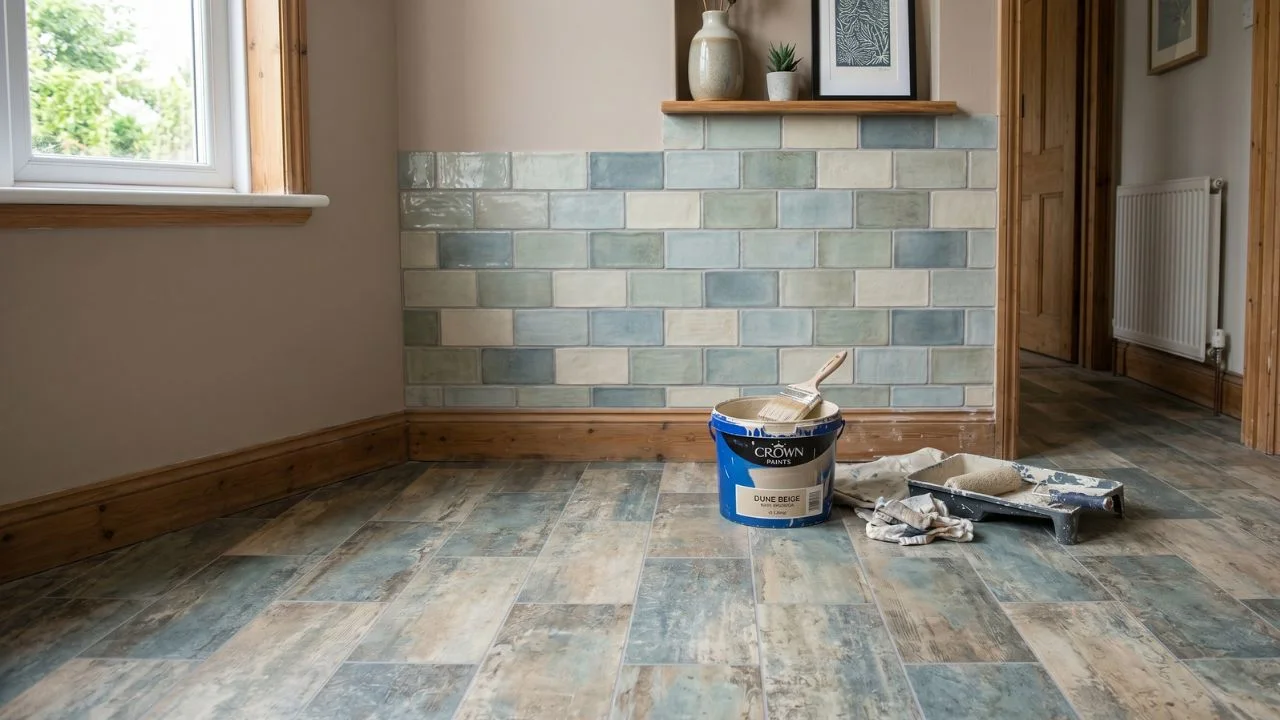
Vinyl tile flooring is a synthetic flooring material made primarily from polyvinyl chloride (PVC) — a type of plastic. It comes in tile or plank form and is designed to mimic the look of natural materials like hardwood, stone, ceramic tile, and marble — at a fraction of the cost.
Modern vinyl tile is nothing like the dull, cheap-looking vinyl of decades past. Today's products use advanced printing technology and embossed textures to create remarkably realistic looks that fool even experienced eyes.
It's waterproof, durable, affordable, and comfortable underfoot. Those four qualities alone explain why vinyl tile has become one of the most popular flooring choices in America.
A Quick History of Vinyl Flooring
Vinyl flooring has been around since the 1930s. For most of its early history it had a pretty bad reputation — it was associated with institutional spaces, cheap rentals, and outdated kitchens with faded patterns.
The product back then was thin, brittle, and not particularly attractive. It cracked, yellowed, and wore out quickly.
Everything changed in the 1980s and 1990s when manufacturers started improving the technology. Better wear layers, more realistic printing, and more durable construction slowly started changing the reputation of vinyl.
Then came luxury vinyl tile (LVT) and luxury vinyl plank (LVP) — and the flooring world was never the same. These thicker, more realistic, more durable versions of vinyl took the market by storm and turned vinyl from a budget afterthought into a genuinely premium flooring option.
Today vinyl tile is installed in multimillion-dollar homes, high-end hotels, and commercial spaces all across the country.
Types of Vinyl Tile Flooring
Not all vinyl tile is the same. Here's a breakdown of the main types you'll encounter:
1. Luxury Vinyl Tile (LVT)
This is the premium end of the vinyl tile market. LVT is thicker, more durable, and more realistic-looking than standard vinyl. It's made in individual tile shapes — squares or rectangles — that mimic stone, ceramic, or wood.
LVT typically ranges from 2mm to 8mm thick and features a detailed photographic print layer topped with a clear wear layer that protects the surface from scratches, stains, and everyday damage.
Best for: Bathrooms, kitchens, entryways, basements, commercial spaces
2. Luxury Vinyl Plank (LVP)
LVP is technically in the same family as LVT but comes in long plank shapes that mimic hardwood flooring. It's one of the fastest-growing flooring categories in the country right now.
If someone talks about "vinyl plank flooring" or mentions brands like LifeProof, COREtec, or Shaw Floorté — they're talking about LVP.
Best for: Living rooms, bedrooms, basements, whole-home installations
3. Sheet Vinyl
Sheet vinyl comes in large rolls rather than individual tiles. It's installed as one continuous piece with no seams — which makes it extremely water-resistant. It's the most budget-friendly vinyl option but offers less design flexibility.
Best for: Laundry rooms, utility spaces, budget-conscious projects
4. Peel-and-Stick Vinyl Tile
This is the most DIY-friendly option. Individual tiles come with a self-adhesive backing — you peel off the paper and press them down. No glue, no special tools.
The tradeoff is durability. Peel-and-stick tiles are thinner and less durable than glue-down or floating LVT. They work well for low-traffic areas or temporary installs.
Best for: Apartments, renters, quick updates, low-traffic areas
5. WPC and SPC Vinyl
These are premium vinyl flooring categories with rigid cores:
WPC (Wood Plastic Composite) has a foamed polymer core that makes it softer and warmer underfoot. It's great for bedrooms and living areas where comfort matters.
SPC (Stone Plastic Composite) has a denser, harder core made from limestone and PVC. It's more dimensionally stable and durable — excellent for commercial use or areas with heavy foot traffic and temperature fluctuations.
Both WPC and SPC are 100% waterproof and significantly more rigid than standard LVT.
What Is Vinyl Tile Made Of?
Understanding the construction of vinyl tile helps you understand why it performs the way it does. A quality vinyl tile is made up of several distinct layers:
Layer 1 — Backing Layer
The bottom layer provides stability and helps the tile adhere to the subfloor. Some products include a pre-attached underlayment for added cushion and sound absorption.
Layer 2 — Core Layer
The core determines the rigidity and thickness of the tile. Standard LVT has a flexible PVC core. WPC and SPC products have engineered rigid cores for added stability and indentation resistance.
Layer 3 — Print Layer
This is the magic layer. A high-resolution photographic image is printed onto this layer — it's what creates the realistic wood grain, stone texture, or tile pattern. Modern printing technology is so advanced that the results are remarkably convincing.
Layer 4 — Wear Layer
The wear layer is a clear protective coating on top of the print layer. This is arguably the most important layer for durability. It protects against scratches, stains, scuffs, and UV fading.
Wear layer thickness is measured in mils (thousandths of an inch):
6 mil — Light residential use
12 mil — Standard residential use
20 mil — Heavy residential or light commercial
28 mil and above — Commercial use
The thicker the wear layer, the longer the floor will look good under foot traffic.
Layer 5 — Urethane Coating
Many premium products add a urethane or ceramic bead coating on top of the wear layer for added protection and easier maintenance.
Vinyl Tile vs. Other Flooring Types
How does vinyl tile stack up against the competition? Here's an honest comparison:
Vinyl Tile vs. Hardwood
Feature | Vinyl Tile | Hardwood |
|---|---|---|
Cost | $2 – $7 per sq ft | $8 – $25 per sq ft |
Water resistance | 100% waterproof | Not waterproof |
Durability | Very good | Excellent |
Refinishing | Cannot be refinished | Can be refinished multiple times |
Installation | DIY-friendly | Requires professional |
Lifespan | 15 – 25 years | 50+ years |
Feel underfoot | Good | Warm and natural |
Hardwood wins on longevity and feel. Vinyl wins on cost, water resistance, and ease of installation.
Vinyl Tile vs. Ceramic Tile
Feature | Vinyl Tile | Ceramic Tile |
|---|---|---|
Cost | $2 – $7 per sq ft | $5 – $15 per sq ft |
Water resistance | 100% waterproof | Waterproof (grout may not be) |
Comfort underfoot | Warm and soft | Hard and cold |
Installation | Easy DIY | More difficult |
Durability | Very good | Excellent |
Cracking | Flexible — won't crack | Can crack under impact |
Maintenance | Easy | Grout requires maintenance |
Ceramic tile is harder and more permanent. Vinyl tile is more comfortable, easier to install, and easier to maintain.
Vinyl Tile vs. Laminate
Feature | Vinyl Tile | Laminate |
|---|---|---|
Cost | $2 – $7 per sq ft | $1 – $5 per sq ft |
Water resistance | 100% waterproof | NOT waterproof |
Durability | Very good | Good |
Feel underfoot | Good | Good |
Best location | Anywhere including wet areas | Dry areas only |
Installation | Easy | Easy |
The biggest difference is water resistance. Vinyl tile wins in any room where moisture is a concern — bathrooms, kitchens, basements. Laminate should stay in dry areas only.
Where Can You Install Vinyl Tile?
One of the biggest advantages of vinyl tile is how versatile it is. It can go practically anywhere in the home.
Bathrooms ✅
Vinyl tile is one of the best flooring choices for bathrooms. It's 100% waterproof, comfortable underfoot on cold mornings, and easy to clean. It holds up beautifully against the constant moisture that bathroom floors deal with.
Kitchen ✅
Kitchens need a floor that can handle spills, dropped items, and constant foot traffic. Vinyl tile handles all of that easily. It's also comfortable to stand on for long periods — something ceramic tile can't claim.
Basement ✅
Basements are notoriously tricky for flooring because of moisture concerns. Hardwood warps. Laminate swells. Ceramic tile works but is cold and hard. Vinyl tile is the ideal basement floor — waterproof, warm, and durable.
Living Room and Bedrooms ✅
LVP and WPC vinyl are increasingly popular in living rooms and bedrooms. They give the look of hardwood with better water resistance and easier maintenance.
Laundry Room ✅
Perfect. Waterproof and easy to clean.
Commercial Spaces ✅
High-wear LVT with a 20 mil or thicker wear layer is widely used in offices, retail stores, restaurants, and healthcare facilities.
Vinyl Tile Installation Methods
How vinyl tile gets installed depends on the product type:
Floating Installation
Planks or tiles click together using a locking system and float over the subfloor without being glued or nailed down. This is the easiest method and works great for DIYers. The floor moves as one unit.
Glue-Down Installation
The tiles are adhered directly to the subfloor using flooring adhesive. This creates a very stable, permanent floor. It's more involved than floating but great for commercial spaces and areas with heavy traffic.
Peel-and-Stick
The tiles have pre-applied adhesive. Peel off the backing and press down. Fastest and easiest installation method — no tools required.
Loose Lay
Some vinyl tiles are designed to just lay on the floor without adhesive or clicking mechanisms. The weight and friction of the tiles hold them in place. Easy to install and remove.
How Much Does Vinyl Tile Flooring Cost?
Vinyl tile is one of the most budget-friendly flooring options available. Here's what to expect:
Type | Material Cost | Installed Cost |
|---|---|---|
Peel-and-stick vinyl tile | $0.50 – $2 per sq ft | $1 – $3 per sq ft |
Standard LVT | $2 – $4 per sq ft | $4 – $7 per sq ft |
Luxury LVT / LVP | $3 – $7 per sq ft | $5 – $12 per sq ft |
WPC / SPC rigid core | $4 – $8 per sq ft | $6 – $14 per sq ft |
Compare that to hardwood at $12 to $25 installed or ceramic tile at $10 to $20 installed — and the value of vinyl tile becomes very clear.
How Long Does Vinyl Tile Last?
With proper care, quality vinyl tile flooring lasts a long time:
Peel-and-stick vinyl: 5 – 10 years
Standard LVT: 10 – 20 years
Luxury LVT / LVP: 15 – 25 years
WPC / SPC rigid core: 20 – 30 years
Lifespan depends heavily on wear layer thickness, foot traffic, and how well you maintain it.
Pros and Cons of Vinyl Tile Flooring
The Pros
100% Waterproof. This is the biggest selling point. Unlike hardwood or laminate, vinyl tile doesn't swell, warp, or buckle when it gets wet. It's truly waterproof — not just water-resistant.
Affordable. Vinyl tile gives you the look of premium materials at a fraction of the cost. It's one of the best value-for-money flooring options on the market.
Easy to Install. Most vinyl tile products are designed with the DIYer in mind. Floating click-lock systems require no special tools or skills.
Comfortable Underfoot. Unlike ceramic tile or stone, vinyl tile has a slight give to it. It's warmer and more cushioned — much easier on feet, knees, and backs during long periods of standing.
Low Maintenance. Sweep or vacuum regularly. Mop with a damp mop and a mild cleaner. That's basically it. No special treatments, no sealing, no refinishing.
Realistic Looks. Modern vinyl tile printing technology is genuinely impressive. High-quality LVT can fool even flooring professionals from a normal viewing distance.
Durable. The wear layer protects against scratches, stains, and scuffs. It handles kids, pets, and heavy furniture with ease.
Versatile. Works on virtually any subfloor — concrete, plywood, even over existing flooring in many cases.
The Cons
Cannot Be Refinished. Unlike hardwood, once vinyl tile is scratched or worn through the wear layer, the only fix is replacement. It can't be sanded and refinished.
Not as Premium as Real Materials. Up close and underfoot, vinyl tile doesn't quite replicate the feel of real hardwood or natural stone. It's better than ever — but not identical.
Can Be Damaged by Sharp Objects. Despite the wear layer, sharp objects dragged across vinyl tile can leave marks. Furniture legs should have felt pads.
Not Great for Resale Value. High-end buyers and appraisers still value hardwood and natural stone over vinyl tile. It won't add the same premium to your home's value.
Some Products Contain VOCs. Lower-quality vinyl products can off-gas volatile organic compounds. Look for products with FloorScore or GREENGUARD certification if indoor air quality is a concern.
Heat Sensitivity. Vinyl tile can expand and contract with temperature changes. In rooms with extreme temperature swings — like a poorly insulated garage — this can cause issues over time.
How to Care for Vinyl Tile Flooring
One of vinyl tile's best qualities is how easy it is to maintain. Here's what good care looks like:
Daily: Sweep or dry mop to remove dirt and grit. Sand and small particles act like sandpaper on the wear layer over time — staying on top of it makes a big difference.
Weekly: Damp mop with a pH-neutral vinyl floor cleaner. Avoid harsh chemicals, abrasive cleaners, or steam mops — steam can damage the adhesive and seams.
Ongoing: Use felt pads under all furniture legs. Avoid dragging heavy objects across the floor. Place doormats at entryways to catch dirt before it reaches the floor.
What to avoid:
Bleach or ammonia-based cleaners
Wax or polish (vinyl doesn't need it and buildup causes issues)
Steam mops
Abrasive scrubbing pads
What to Look for When Buying Vinyl Tile
Shopping for vinyl tile can feel overwhelming with so many options. Here's what actually matters:
Wear Layer Thickness. This is the single most important spec. For a family home, go with at least 12 mil. For high-traffic areas or homes with pets, 20 mil is worth the extra cost.
Total Thickness. Thicker floors feel more substantial and hide subfloor imperfections better. Look for at least 4mm for residential use. 6mm to 8mm is premium territory.
Waterproof Core. Make sure the product is labeled 100% waterproof — not just water-resistant. This matters especially for bathrooms, kitchens, and basements.
Attached Underlayment. Some products include a pre-attached underlayment pad. This adds comfort, sound absorption, and helps with minor subfloor irregularities.
Certifications. Look for FloorScore or GREENGUARD Gold certification for low VOC emissions, especially important in homes with children or anyone with chemical sensitivities.
Warranty. Quality vinyl tile products come with 15 to 25-year residential warranties. Short warranties are a red flag.
Top Vinyl Tile Brands Worth Knowing
If you're shopping around, these brands are consistently well-regarded:
COREtec — Premium WPC and SPC products. Excellent quality and one of the most trusted names in the industry.
Shaw Floors — Wide selection of LVT and LVP at multiple price points. Reliable quality.
LifeProof (Home Depot) — A popular budget-to-mid-range option. Good wear layer specs for the price.
Pergo — Well-known for laminate but also makes quality LVP.
Armstrong — One of the oldest names in vinyl flooring. Consistent quality across their product lines.
Karndean — Premium LVT with exceptional realism. Popular in high-end residential and commercial projects.
Bottom Line
Vinyl tile flooring is one of the smartest flooring investments you can make — especially if you want the look of wood or stone without the cost, the maintenance headaches, or the vulnerability to water damage.
It's durable, waterproof, affordable, comfortable, and easier to install than almost any other flooring option. Modern vinyl tile looks better than ever and holds up to real life — kids, pets, spills, and everything else that comes with it.
Whether you're updating a bathroom, finishing a basement, or redoing your entire home, vinyl tile deserves a serious look before you make your final flooring decision.